Source Waterproof Frame Camera Purse for Travel and Events
Find a waterproof frame camera purse among 30 available options. Compare nylon and canvas materials, IP76 protection levels, and OEM customization support for digital cameras and small pets. Explore single shoulder and hand-held styles suitable for leisure use; compare the available evidence and request quotations based on your requirements.
Key considerations
Products List




Comprehensive Sourcing Guide
Waterproof Frame Camera Purse Sourcing Guide
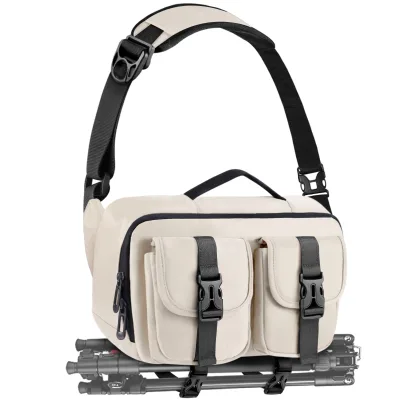
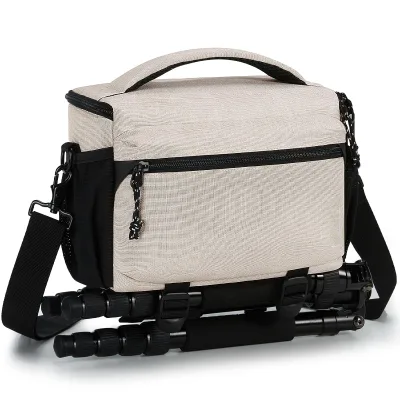
Procuring a waterproof frame camera purse requires distinguishing between rigid protective cases and soft, adaptable backpacks designed for active use. The market offers distinct variations, including nylon and canvas backpacks suitable for leisure and video photography, alongside rigid plastic cases engineered for specific shock absorption. Buyers must first identify whether their operational need prioritizes the structural rigidity of a hard case or the flexible storage capacity of a soft bag, as these categories serve different logistical and protective functions.
Verification of the specific product model is essential before initiating any procurement process, as attributes like material composition and internal structure vary significantly across listings. For instance, some units feature a main bag internal structure with multilevel adjustable shoulder styles, while others are defined by rigid dimensions and specific thickness ratings. Understanding these physical distinctions ensures that the selected item aligns with the intended usage, whether for carrying digital cameras, video equipment, or other sensitive gear in varying environmental conditions.
Product Scope and Observed Listing Signals
The observed product range includes diverse configurations such as single-shoulder backpacks and hand-held cases, each tailored to specific user demographics and usage scenarios. Listings indicate that materials often combine nylon or canvas exteriors with polyester linings to balance durability and weight, while some rigid options utilize plastic construction for enhanced impact resistance. Buyers should scrutinize the listed style and shape attributes to ensure the form factor matches the intended carrying method, whether for hands-free mobility or secure hand-held transport.
Color and customization options further define the scope, with black being a prevalent choice for professional aesthetics, though customized logos and OEM support are frequently available. The data suggests a wide range of customization capabilities, including tailored sizes and specific packing requirements, which allows buyers to align the product with brand identity or specific logistical constraints. However, the presence of varied models like HE-0542 or NB0104 indicates that not every listed attribute applies to every unit, necessitating careful selection based on the specific model number and its associated specifications.
Technical Specifications to Verify
Dimensional accuracy is a critical verification step, as listed standards vary from compact measurements like 32cm by 10cm by 27cm to larger formats exceeding 595mm in length. Buyers must confirm that the external and internal dimensions accommodate their specific camera equipment without excessive bulk, noting that some models offer custom sizing while others adhere to fixed inch-based standards. The thickness of the material, such as the 4mm rating observed in certain rigid cases, directly influences the level of protection provided against physical impacts and environmental stressors.
Waterproof performance and structural integrity require specific attention to the stated ratings and material properties, as not all listed items share the same level of protection. While some products claim IP76 waterproof ratings and shockproof functionality, others rely on general waterproof claims without specific numerical certification. It is imperative to verify the exact waterproof standard and the type of internal structure, such as a main bag configuration, to ensure the gear remains safe from moisture and physical damage during transit or outdoor use.
Compliance and Safety Documentation
Safety and compliance documentation should be rigorously reviewed, particularly regarding certifications like SGS, which may be present for specific product lines but are not universal across all models. Buyers must request explicit proof of these certifications to validate claims of material safety and structural reliability, ensuring that the product meets the necessary standards for protecting valuable electronic equipment. The absence of a specific certification in a listing does not necessarily indicate non-compliance, but it does require the buyer to seek independent verification before finalizing a purchase.
Origin and production standards also play a vital role in establishing the baseline quality and regulatory adherence of the sourced items. Products originating from regions like China or Shanghai may adhere to different local manufacturing norms, and buyers should verify that the production process aligns with international safety expectations. Understanding the origin helps in anticipating potential regulatory hurdles and ensures that the supplier can provide the necessary documentation to support the product's safety claims in the target market.
Cost Drivers and Commercial Terms
Commercial terms are heavily influenced by the Minimum Order Quantity (MOQ), which ranges widely from single-piece orders to bulk requirements of 1000 units. Buyers must align their procurement volume with the supplier's MOQ constraints, as smaller orders may incur higher per-unit costs or require specific sample arrangements, while larger volumes often unlock more favorable pricing structures. The observed price range of 0.19 to 39 USD reflects this variability, driven by factors such as material complexity, customization levels, and the scale of the order.
Customization services, including OEM and ODM support, represent a significant cost driver that can alter the final commercial terms. Suppliers offering customized logos, specific sizes, or tailored packing solutions typically require longer lead times and higher initial investments compared to standard off-the-shelf items. Buyers should clarify the sample time, which can range from 3 to 7 days, and understand how these customization requests impact the overall timeline and budget before committing to a production run.
Supplier Qualification and Quality Control
Supplier qualification should focus on their ability to deliver consistent quality across different product models, as the observed data shows a mix of backpacks, cases, and other bag types. Buyers must assess the supplier's track record in handling diverse specifications, from soft nylon bags to rigid plastic cases, to ensure they possess the necessary manufacturing capabilities. The availability of customized support and specific service offerings, such as accepting OEM and ODM requests, indicates a supplier's flexibility and capacity to meet unique buyer requirements.
Quality control protocols must be established to verify that the final product matches the agreed-upon specifications, particularly regarding waterproofing and structural durability. Since attributes like the IP76 rating or specific dimensions are not guaranteed for every listed item, buyers should implement pre-shipment inspections to confirm that the delivered goods meet the required standards. This proactive approach mitigates the risk of receiving substandard products and ensures that the equipment remains protected in the field.
Long-Term Procurement Checks
Long-term procurement success depends on maintaining a clear record of product specifications and performance over time, especially when dealing with multiple models and varying material compositions. Buyers should track the performance of different product lines, such as the HE series or NB series, to identify which models offer the best balance of durability, weight, and protection for their specific use cases. This data-driven approach allows for continuous optimization of the product portfolio and ensures that future orders are based on proven performance metrics.
Regular re-evaluation of supplier capabilities and market trends is essential to adapt to changing requirements and technological advancements in camera protection. As the market evolves, new materials and designs may emerge that offer superior protection or lighter weight, requiring buyers to stay informed and flexible in their sourcing strategies. By maintaining a dynamic relationship with suppliers and continuously monitoring product performance, buyers can ensure a reliable supply chain that meets the evolving needs of their operations.
FAQs
What materials are used for the waterproof camera bag?
The bags use Nylon or Canvas for the outside material and Polyester for the inside lining. Some hard cases utilize Plastic with a 4mm thickness to ensure durability. These materials provide a robust barrier against moisture and physical shocks, protecting your digital camera equipment effectively during travel or outdoor use.
Can I customize the logo on the camera bag?
Yes, customized logos are available for these products. The supplier supports both OEM and ODM services, allowing you to brand the bags with your specific design. This customization option is ideal for businesses looking to create unique, branded gear for their clients or internal teams while maintaining professional quality standards.
What is the minimum order quantity for these bags?
The minimum order quantity varies by product type. Some items have an MOQ of just 1 piece, while others require 300 pieces or up to 1000 pieces. This range allows buyers to choose between small trial orders and larger bulk purchases depending on their specific inventory needs and budget constraints for sourcing camera accessories.
Are these bags suitable for video cameras and digital cameras?
Yes, these bags are explicitly designed for use with video cameras and digital cameras. The internal structures, such as the main bag compartment, are tailored to secure these devices. Whether you need a soft leisure backpack or a hard shockproof case, the designs ensure your equipment remains safe and accessible during various shooting scenarios.
What are the standard dimensions for the camera cases?
Standard dimensions vary by model. For example, one model measures 9.5 x 5.5 x 6.5 inches, while another is 32cm x 10cm x 27cm. Hard cases may have outer sizes like 371 x 313 x 180mm. These specific sizes help you select the right fit for your specific camera body and lens combinations.
Is the product origin China and what is the packing?
The products originate from China, with some specific models sourced from Shanghai. The standard packing is typically done in cartons for bulk shipments. Some items offer customized packing options to meet specific logistical requirements. This origin and packing method ensure efficient global shipping and cost-effective delivery for international buyers sourcing camera gear.